“As John the Baptist heralded the first advent of Jesus, and prepared the way for his coming, so also, Wm. Miller and those who joined him, proclaimed the second advent of the Son of God.”Ellen G. White, Spiritual Gifts, vol. 1, “The Great Controversy Between Christ and His Angels, and Satan and His Angels” (1858), chapter “William Miller,” p. 129.
Two Captains, One War, Opposite Shores
The War of 1812 passed through the lives of both Captain William Miller and Captain Joseph Bates, but from radically different sides of the conflict. Miller served voluntarily in the United States Army, first as a lieutenant and later as a captain. He witnessed the Battle of Plattsburgh in September 1814, an experience that deepened the moral seriousness and providential questions he later carried into Bible study.
Captain Bates was an American merchant sailor who had been forcibly impressed into the British Royal Navy in 1810. When war began, he refused to fight against America and endured British control, naval service, and imprisonment that eventually included Dartmoor Prison. Years before the two men stood together in the Advent movement, they had already passed through the same war from opposite shores: Miller defending America as an Army officer, Bates resisting the British service into which he had been forced.
Miller later reflected on the inward effect of those years in the autobiographical material preserved in Memoirs of William Miller by Sylvester Bliss (1853):
“I was thus brought... to the solemn conclusion, that in about twenty-five years from that time all the affairs of our present state would be wound up.”
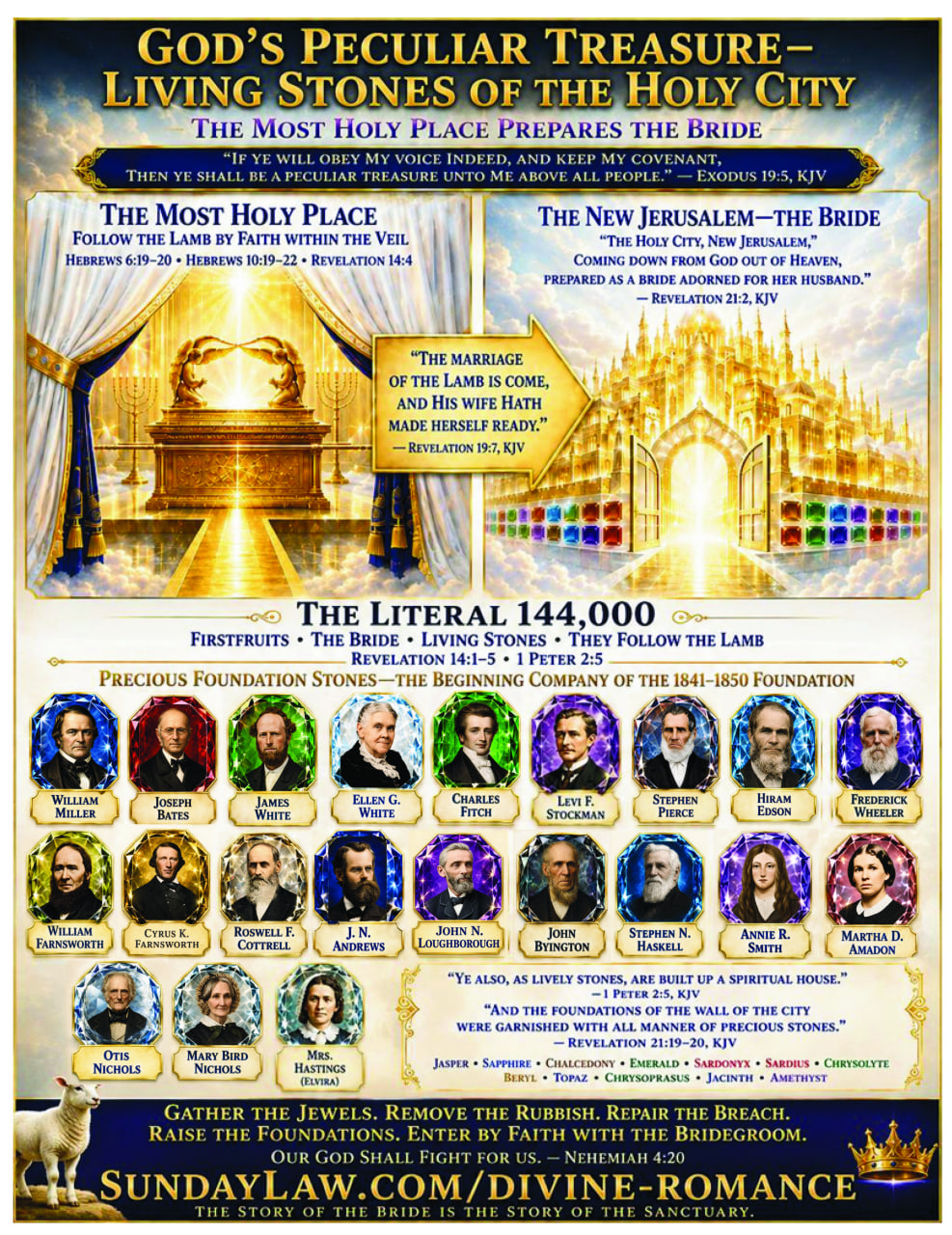
That sentence belongs beside the military story. The Army captain who had seen the violence and uncertainty of war became the farmer-preacher who searched Scripture for the appointed time of Christ's return. His later confession was equally direct: “I confess my error, and acknowledge my disappointment; yet I still believe that the day of the Lord is near, even at the door.” Read Miller's life beside James White's Brother Miller's Dream and the original 1850 document, which preserved the witness of the Advent movement after Miller's death.
Early Life and Conversion
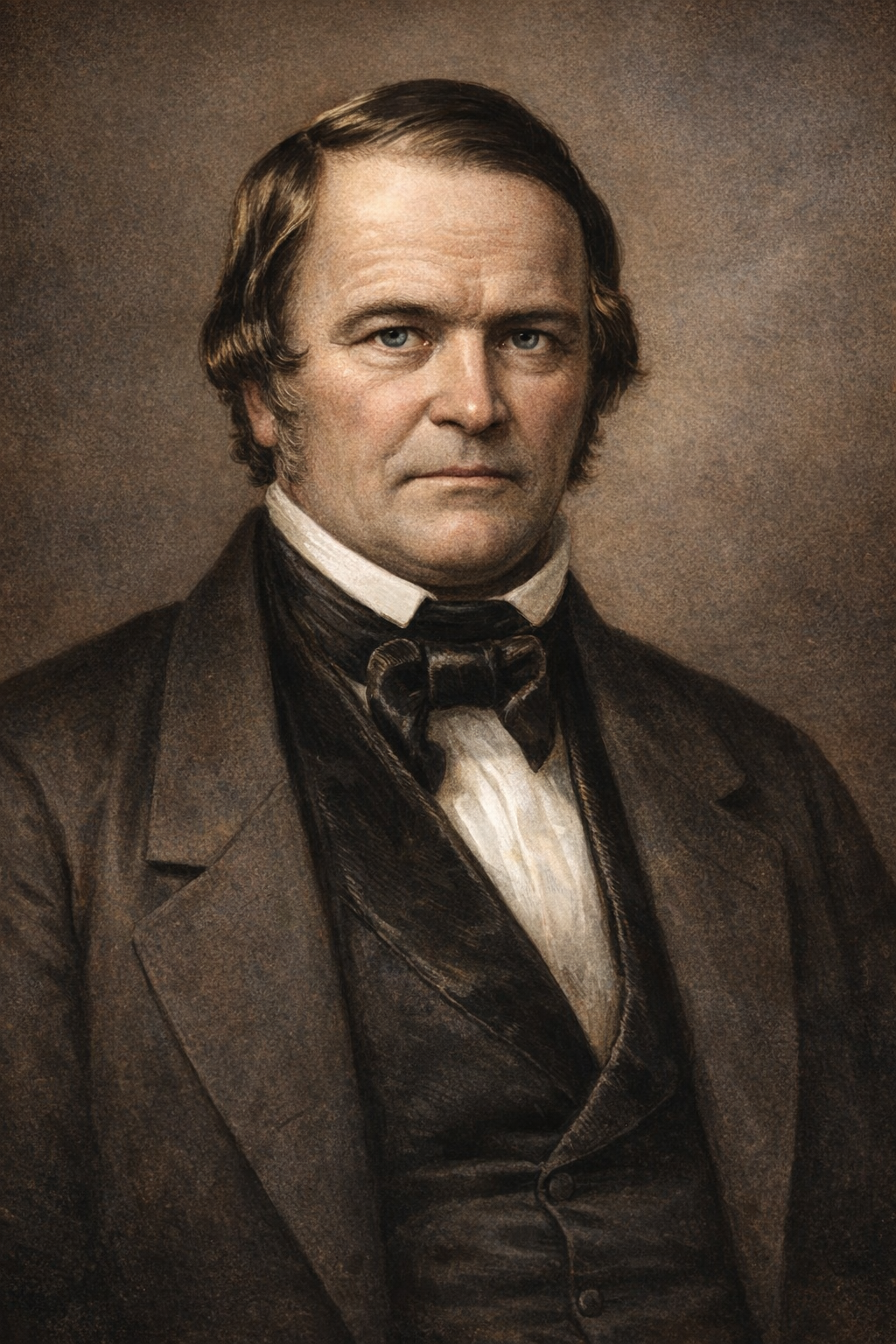
Captain William Miller was born in Pittsfield, Massachusetts, in 1782 and grew up in the rural setting of Low Hampton, New York. As a young adult he moved to Poultney, Vermont, married Lucy Smith, and held local public offices.
During this period he drifted into Deism, but his wartime experience in the War of 1812, especially the Battle of Plattsburgh, reshaped his outlook. He eventually returned to Christian faith and began intensive Bible study.
Prophetic Study and Public Preaching
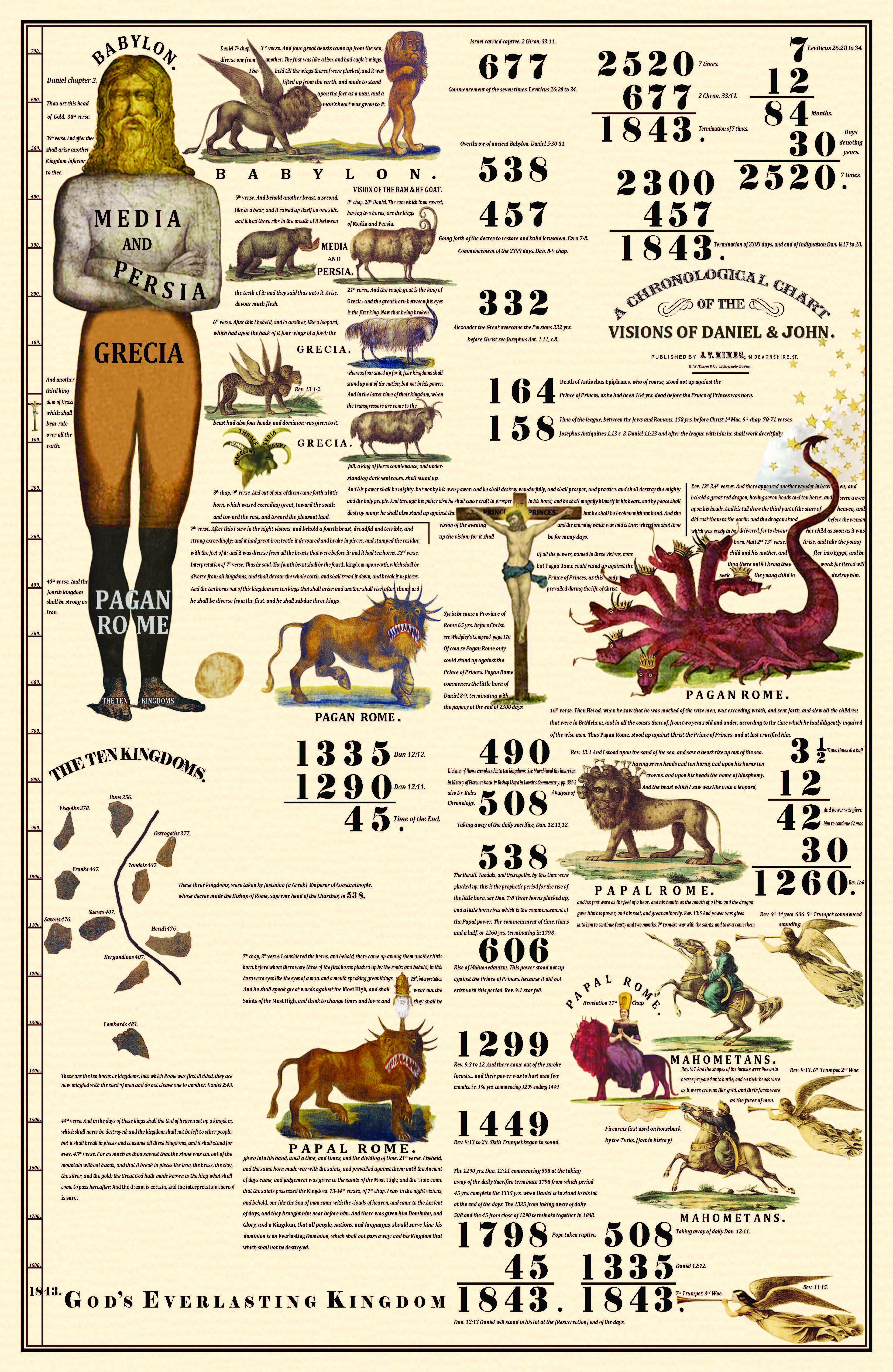
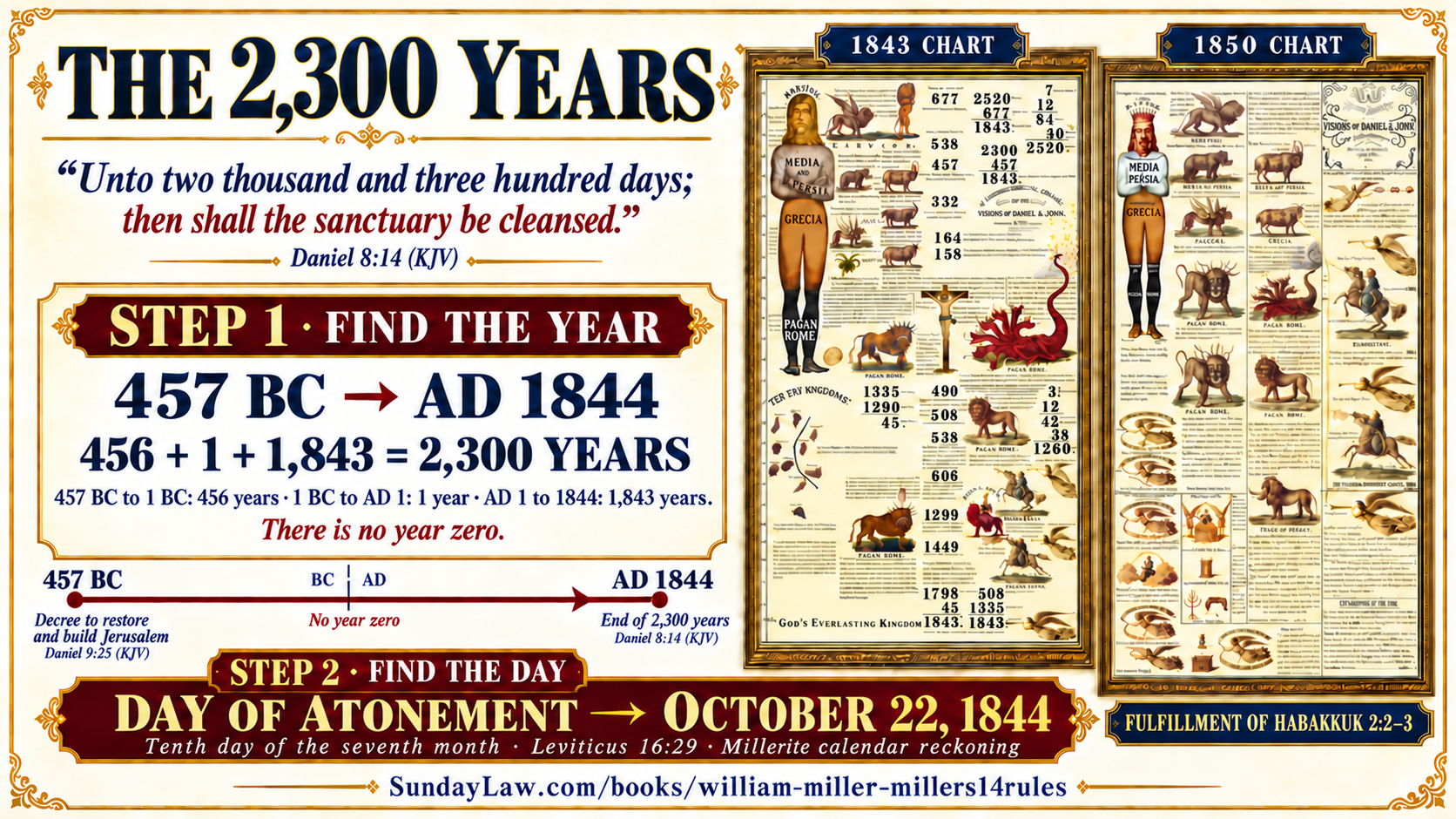
Captain Miller's study of Daniel 8:14 and related prophecies led him to conclude that Christ's return was near. By 1818 he believed the Second Advent would occur within about twenty-five years, and after further private study he began public preaching in 1831.
His lectures spread rapidly through newspapers, pamphlets, and camp meetings. The movement that formed around his preaching became known as Millerism and drew tens of thousands across North America.
1844 and the Great Disappointment
Miller did not set every later date used by his followers, but his prophetic framework shaped the expectation centered on 1843-1844. When October 22, 1844 passed without the visible return of Christ, the movement suffered what became known as the Great Disappointment.
Miller publicly acknowledged disappointment while maintaining belief in Christ's soon return. His humility after failure became one of the defining marks of his legacy.
Lasting Influence
Miller died in 1849 at Low Hampton. He did not live to see the later civil corporation formed on April 15, 1904, but the movement he helped raise became the standard by which that later development must be tested. Ellen White warned that the fall of Babylon would be repeated “with the additional mention of the corruptions which have been entering the churches since 1844” (Loud Cry); and she also warned, “We cannot now enter into any new organization; for this would mean apostasy from the truth” (April 15, 1904 record). For the connected evidence, see Prophecy Explained, Babylon Antichrist Library, and Seventh-day Adventist Name & Organization History.
His enduring contribution was the call to serious prophetic study and moral preparedness for the return of Christ.
Sources
Primary chronology and quotes in this profile are based on the Wikipedia article on William Miller (preacher) and linked references: https://en.wikipedia.org/wiki/William_Miller_(preacher)