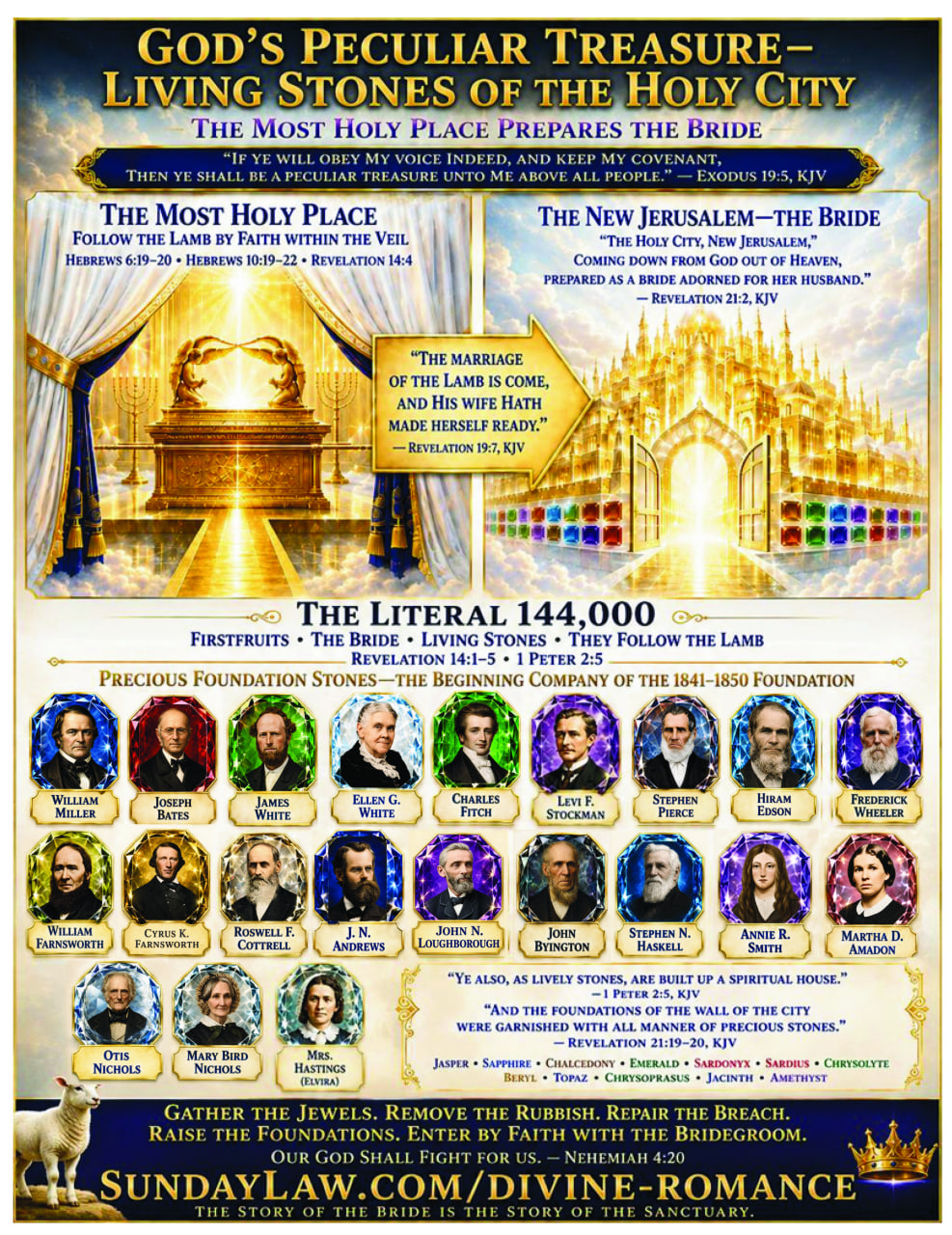
The sanctuary-to-city pattern
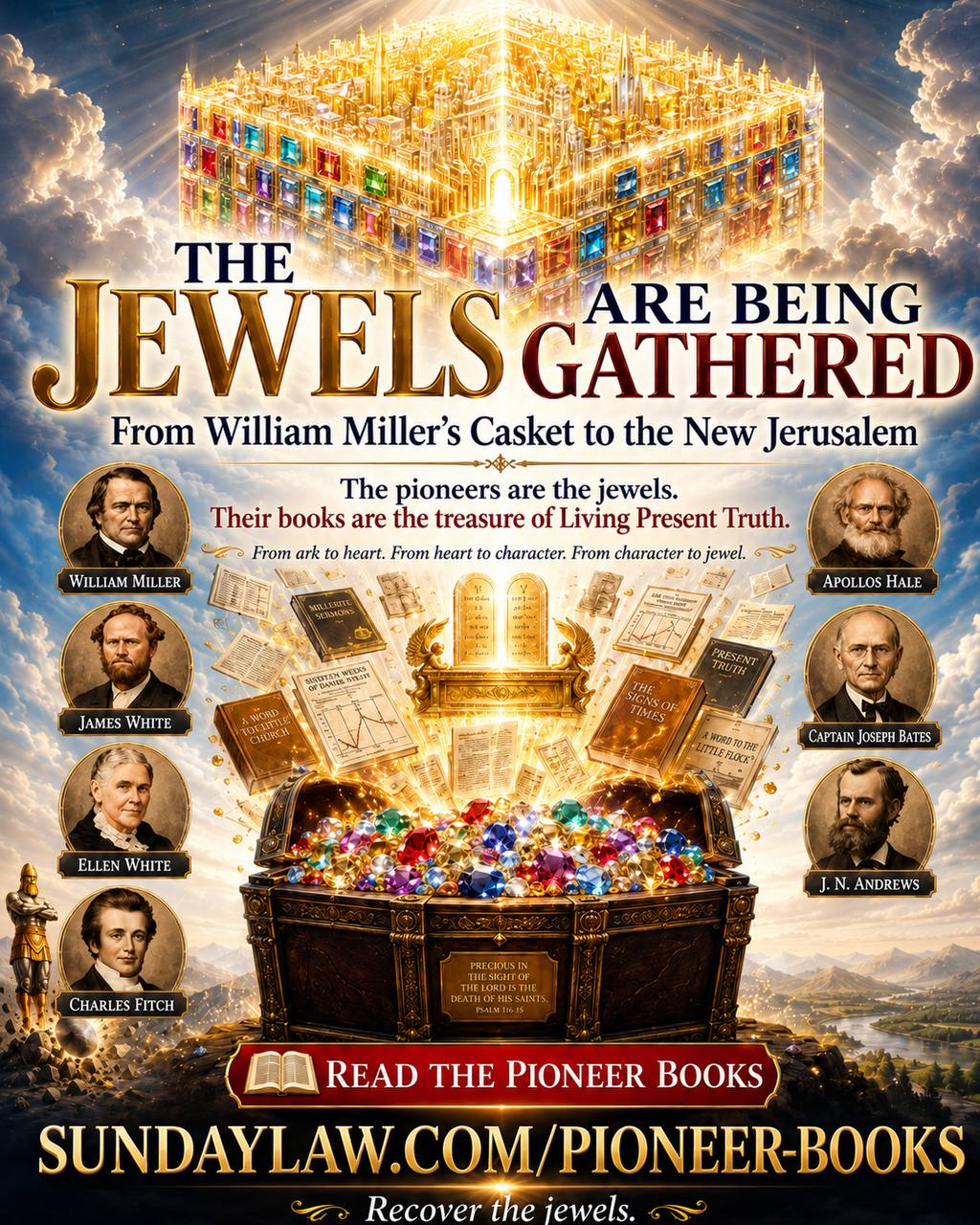
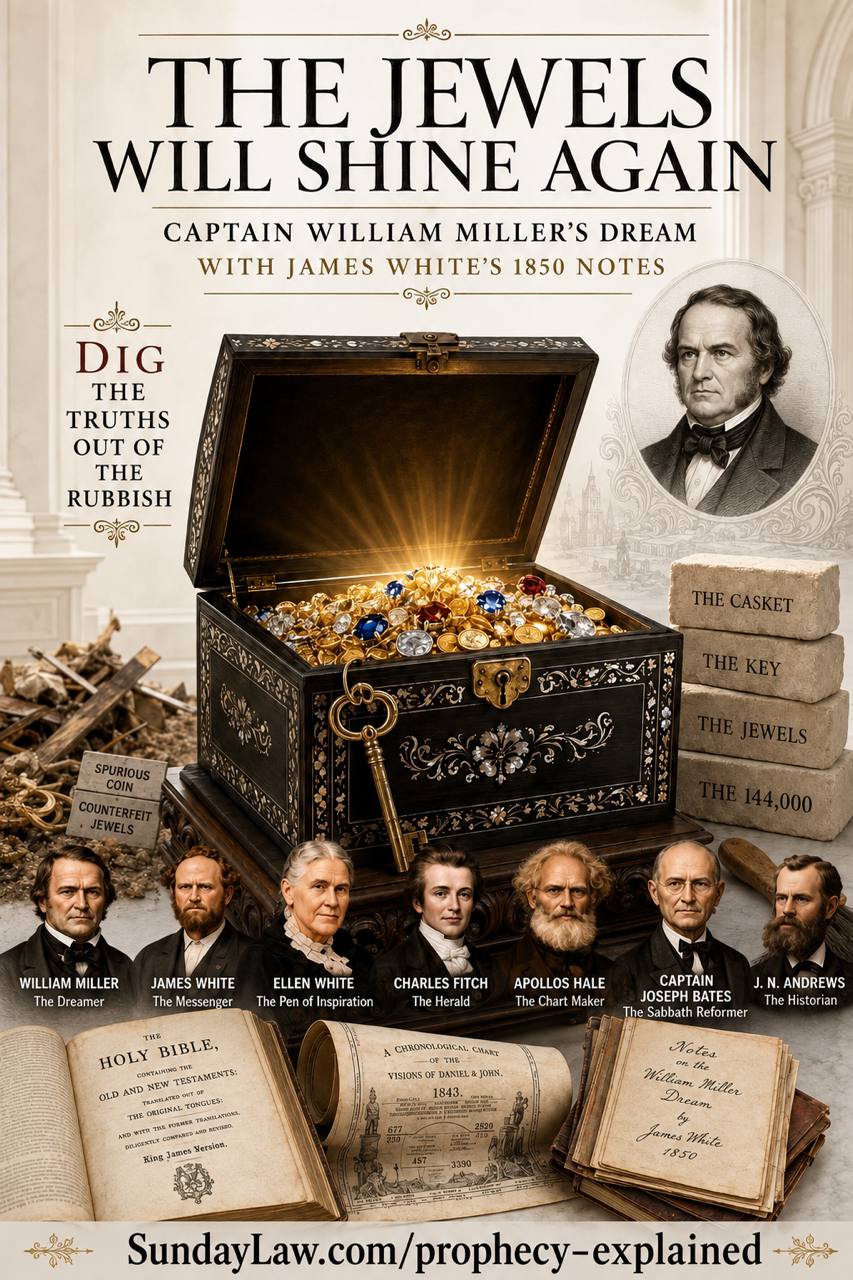
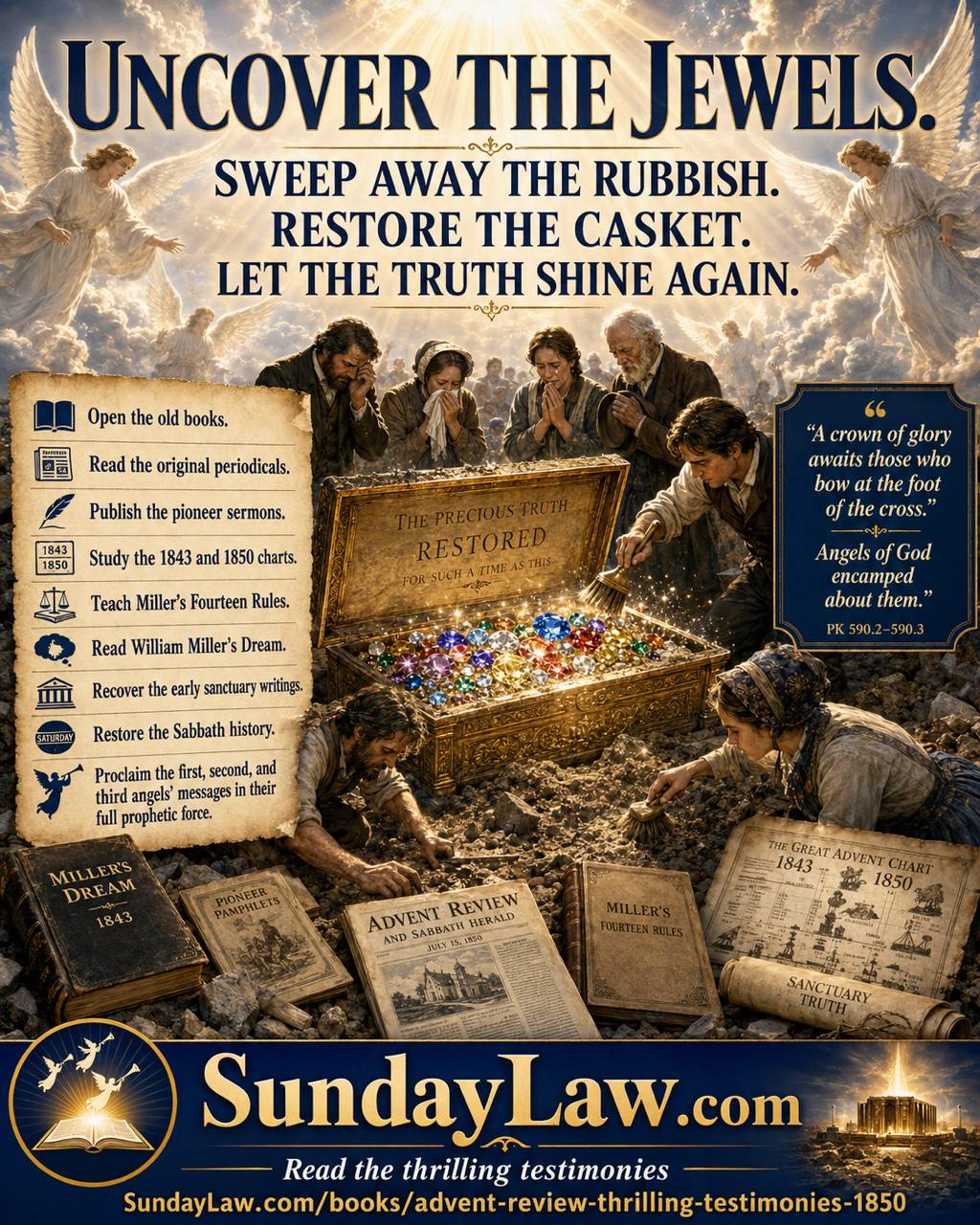
The first casket held the Advent treasure: the Bible truths concerning Christ's second advent. The larger casket, in James White's interpretation, opened onto “the broad field of living present truth.†The books, tracts, charts, sermons, testimonies, and Bible studies are not the jewels themselves. They are the treasury of truth God uses to gather, strengthen, and prepare His people.
“The Sanctuary of the new covenant is connected with New Jerusalem, like the Sanctuary of the first covenant was with Old Jerusalem.”
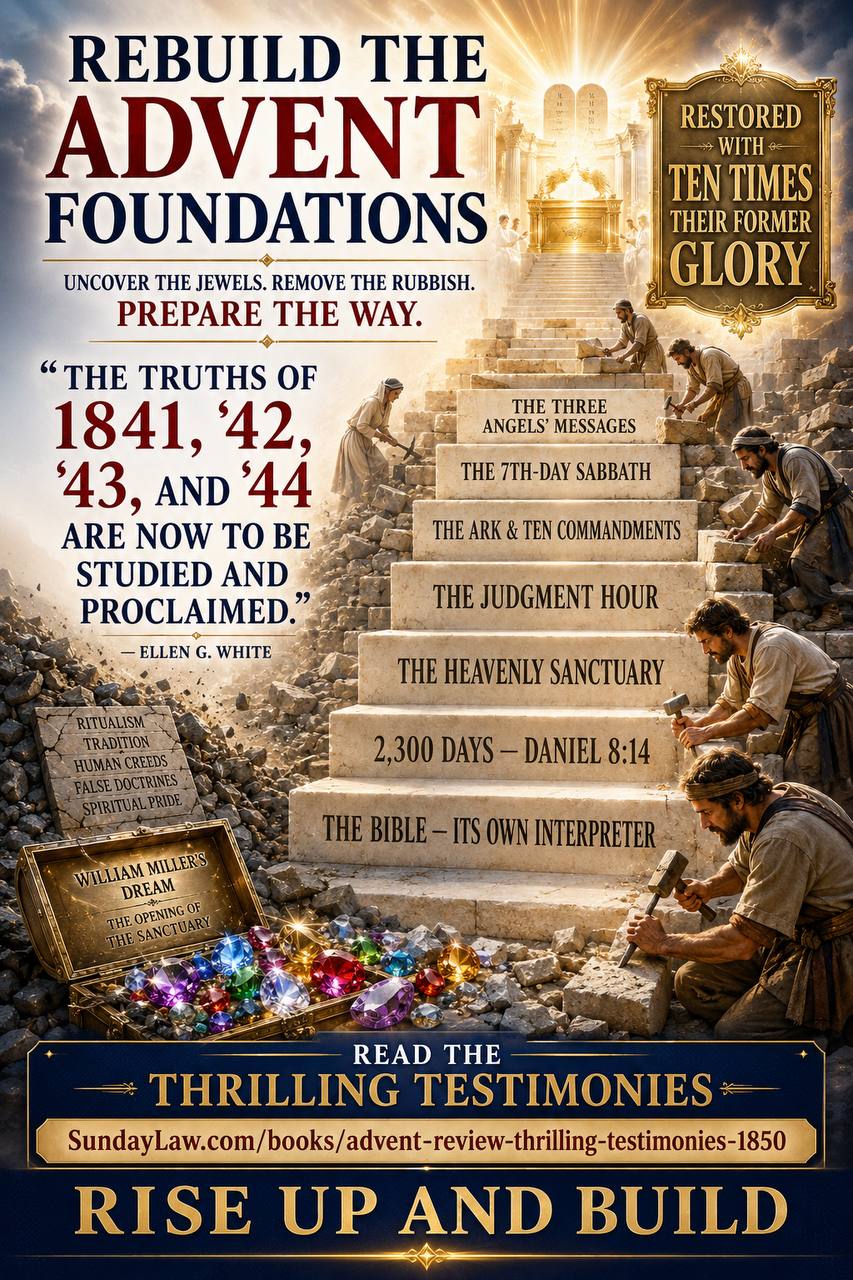
O. R. L. Crosier, The Law of Moses, Day-Star Extra, February 7, 1846. Study the sanctuary article.Scripture gives this pattern its deepest meaning. The high priest bore stones engraved with the names of Israel upon his heart. God later promised, “I will put my law in their inward parts, and write it in their hearts†(Jeremiah 31:33, KJV). Peter calls believers “lively stones†built into a spiritual house (1 Peter 2:5, KJV). Revelation then reveals the holy city whose foundations are “garnished with all manner of precious stones†(Revelation 21:19, KJV).
Word→Truth→Faith→Obedience→Character→Living stone→Jewel→New Jerusalem
The Most Holy Place pointed to God's dwelling among His people. Its length, breadth, and height were equal; John describes the New Jerusalem in the same foursquare language: “the length and the breadth and the height of it are equal†(Revelation 21:16, KJV). This does not reduce the city to a metaphor. It shows a biblical pattern: God’s law is written in hearts, His people are built together in Christ, and the final city comes down “prepared as a bride adorned for her husband†(Revelation 21:2, KJV).
“As John the Baptist heralded the first advent of Jesus, and prepared the way for his coming, so also, Wm. Miller and those who joined him, proclaimed the second advent of the Son of God.”
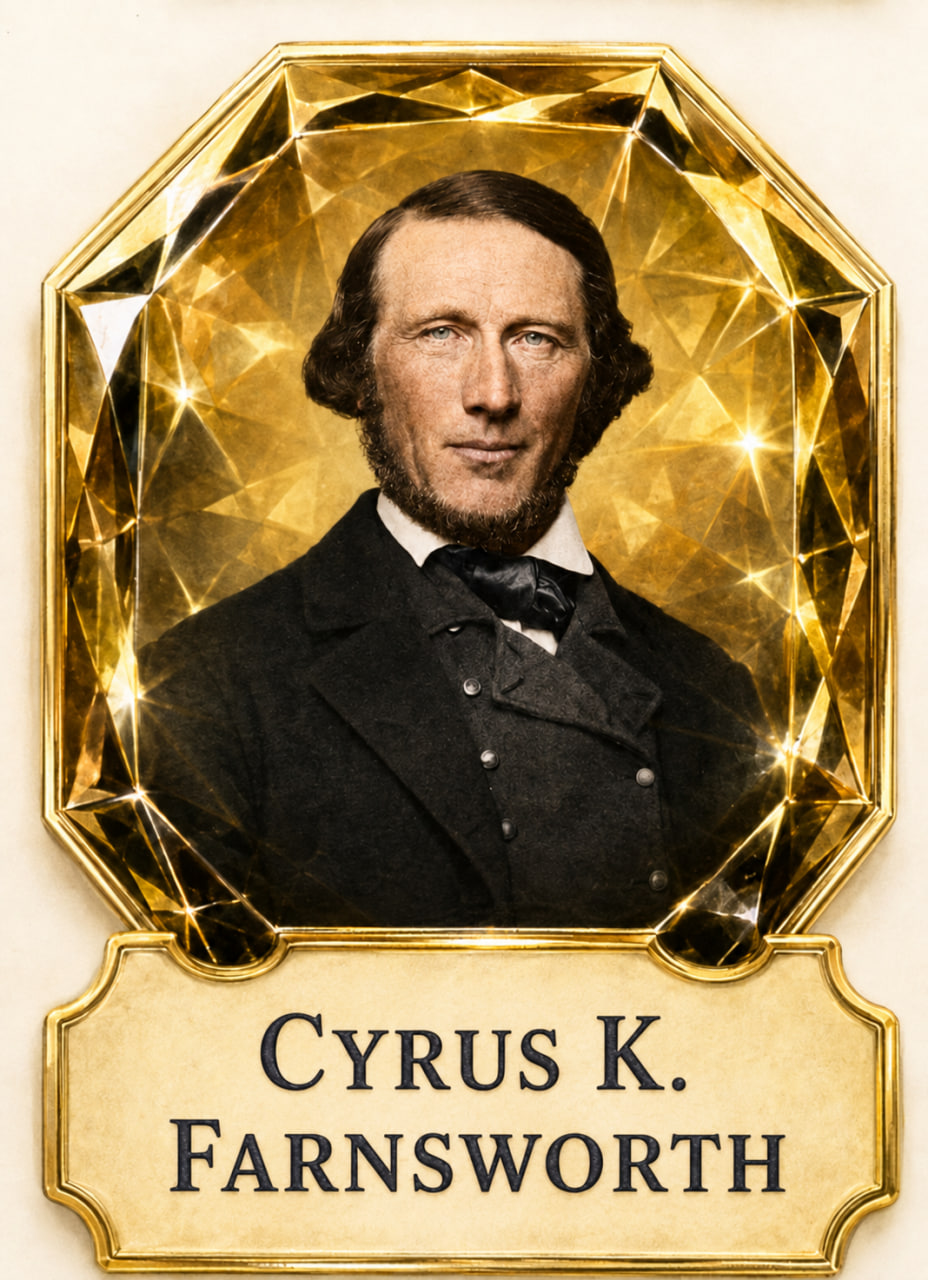
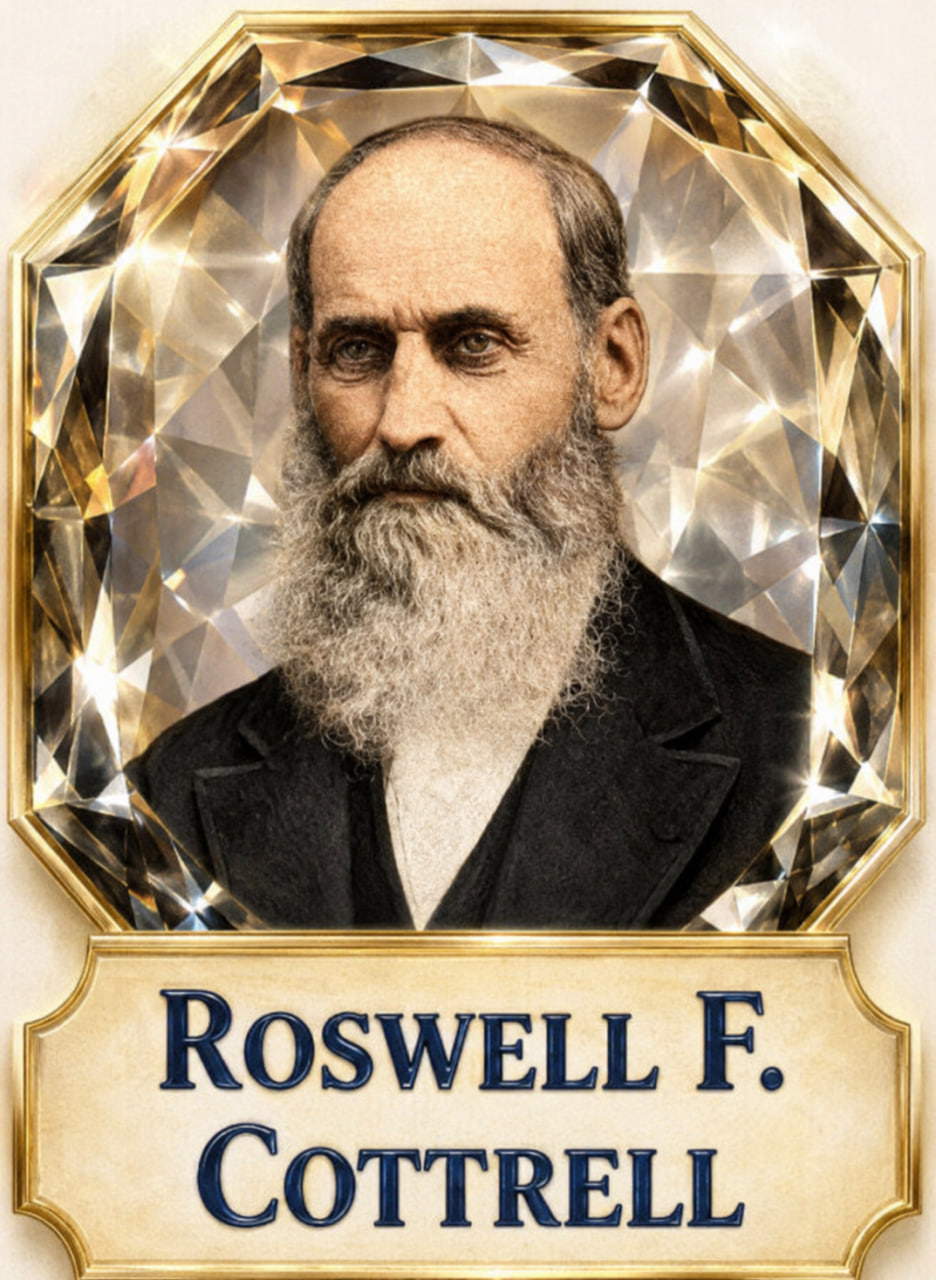
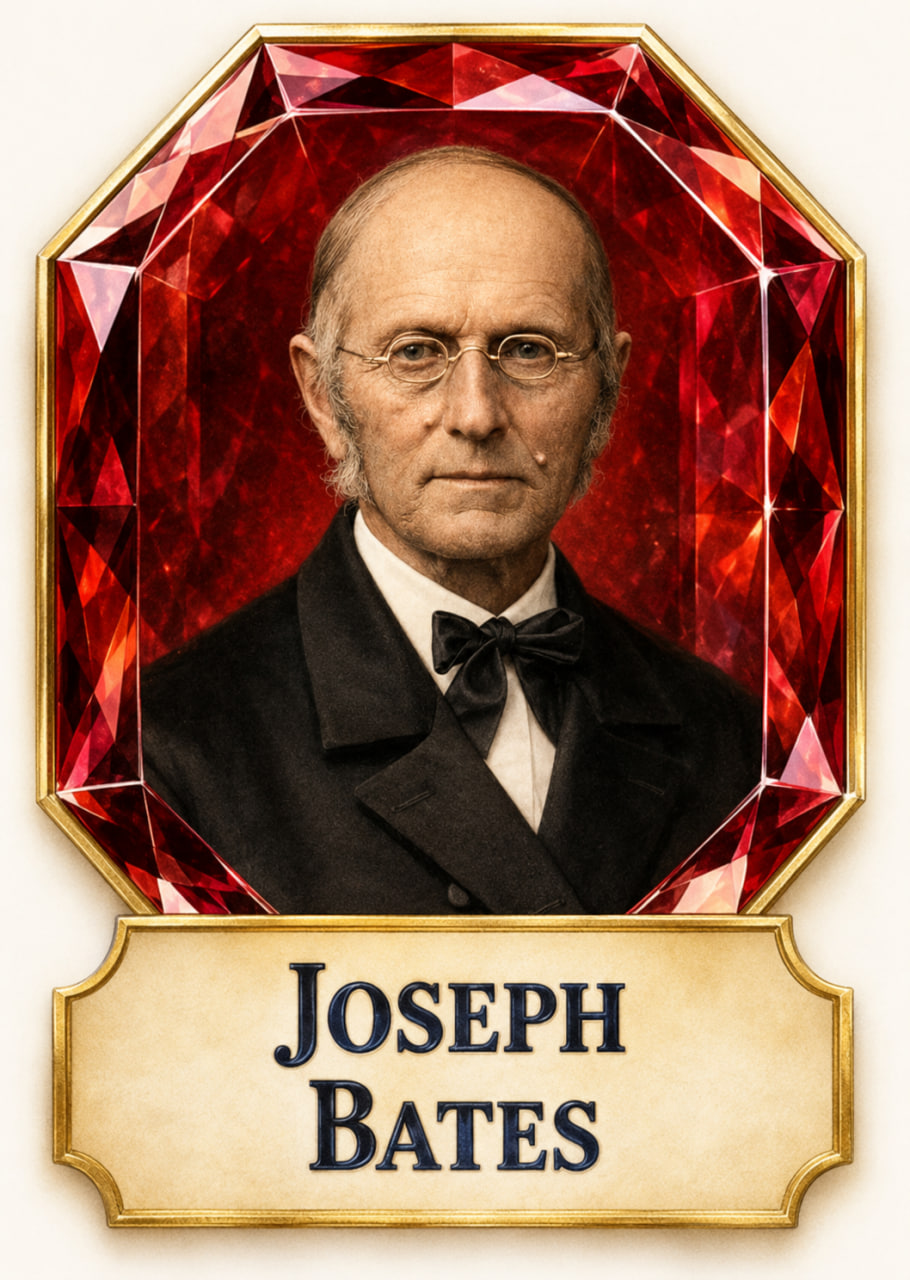
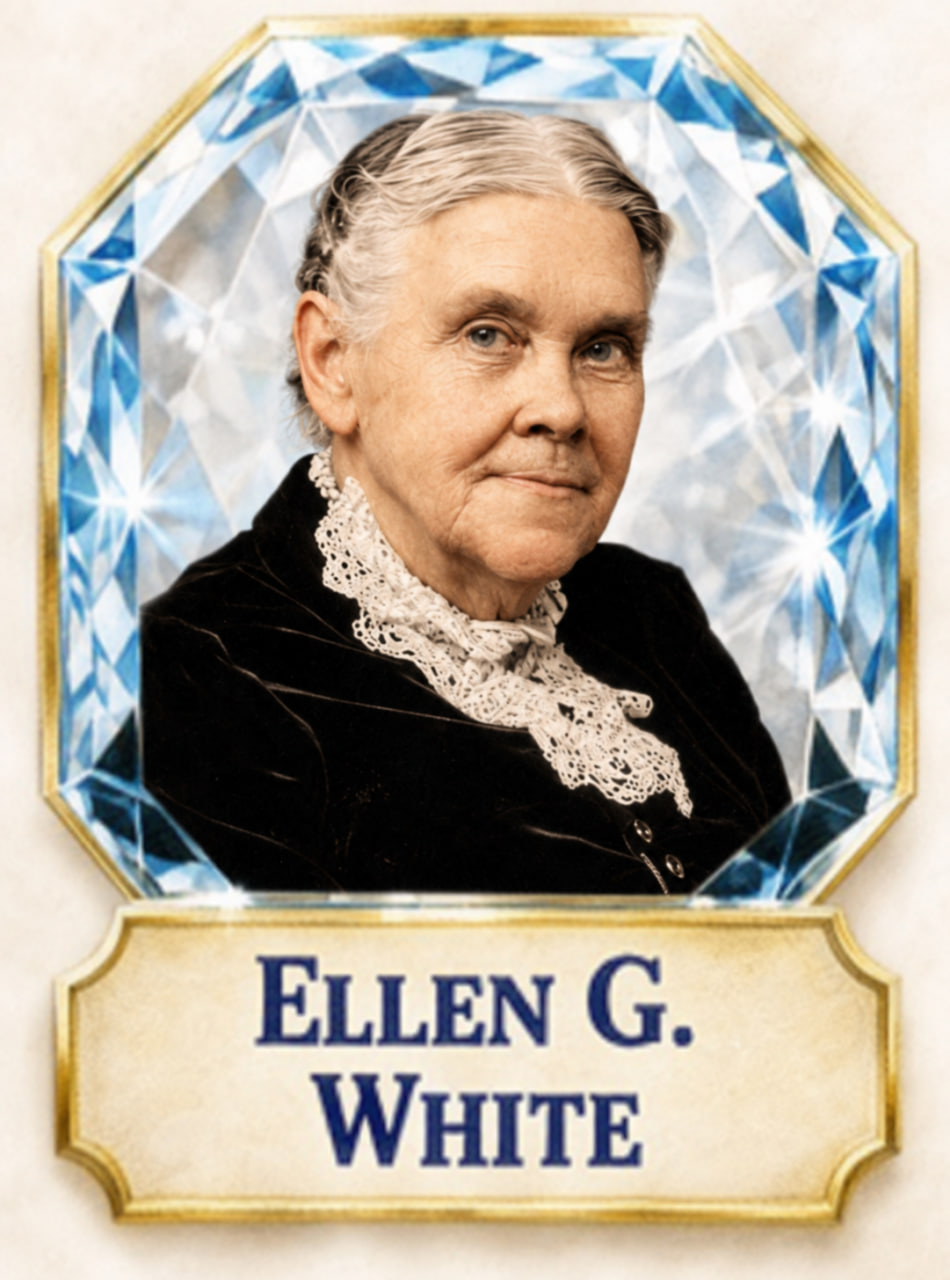
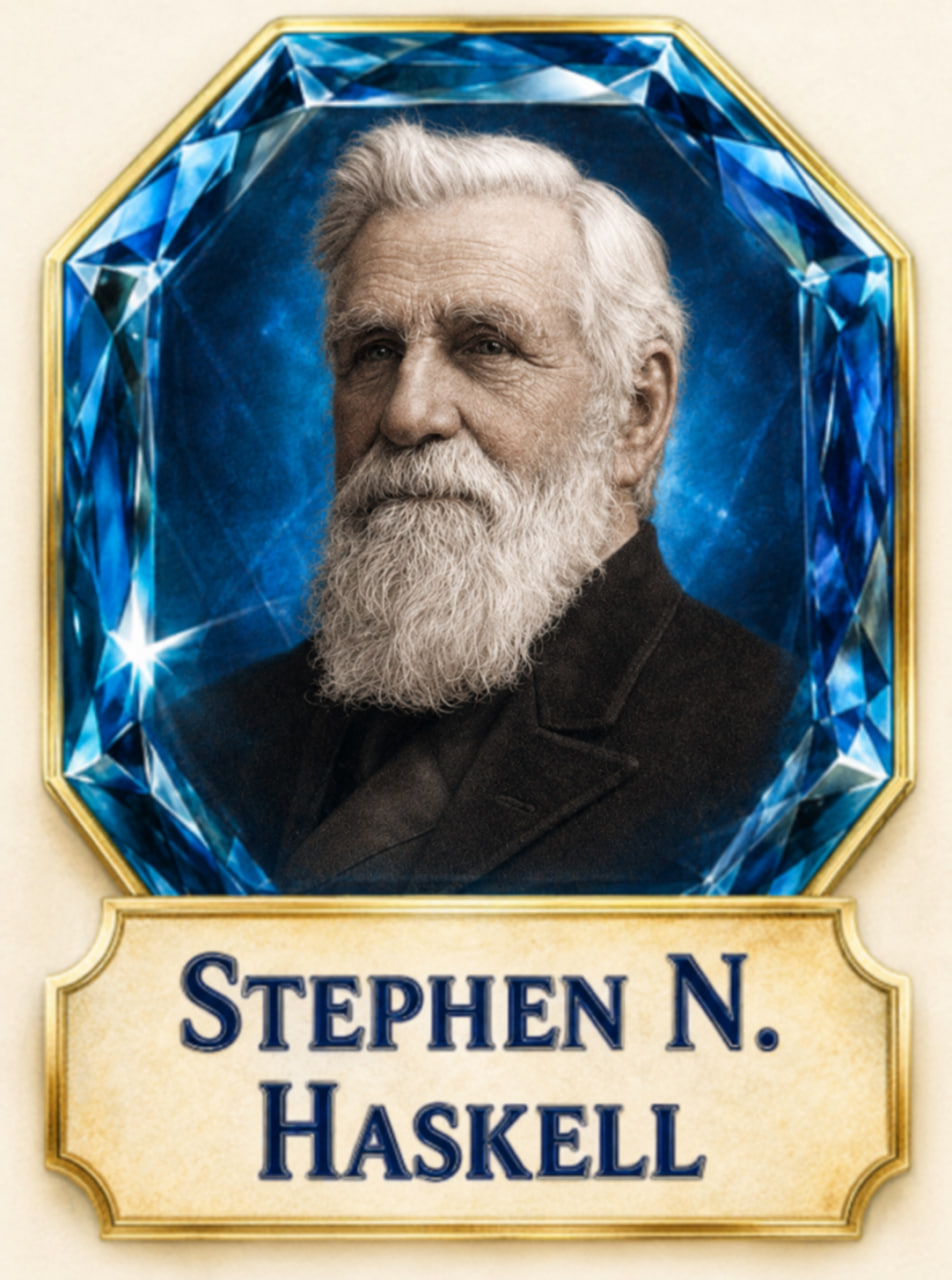
Ellen G. White, Spiritual Gifts, vol. 1, “The Great Controversy Between Christ and His Angels, and Satan and His Angels” (1858), chapter “William Miller,” p. 129.The pioneers carried different facets of a single developing message. Captain William Miller opened the prophetic casket. Captain Joseph Bates pressed the Sabbath question. James White sent present truth into print. Ellen G. White called the movement back to its waymarks. Together their witness invites each reader to do more than admire the jewels: receive the Word, let it shape character, and stand in the light entrusted to them.