Core Constitutional Clause: Article I, Section 8, Clause 17
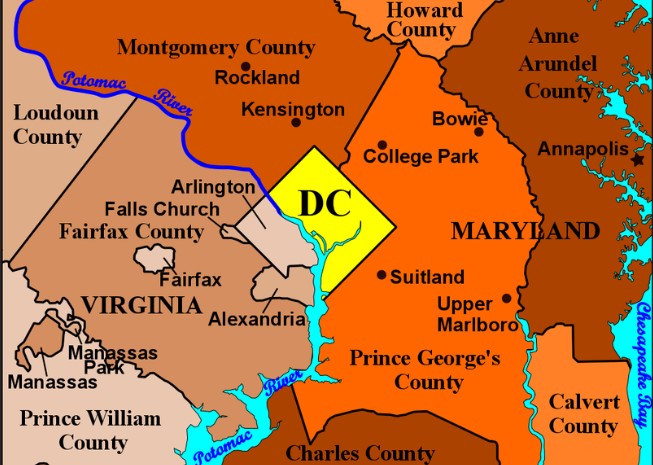
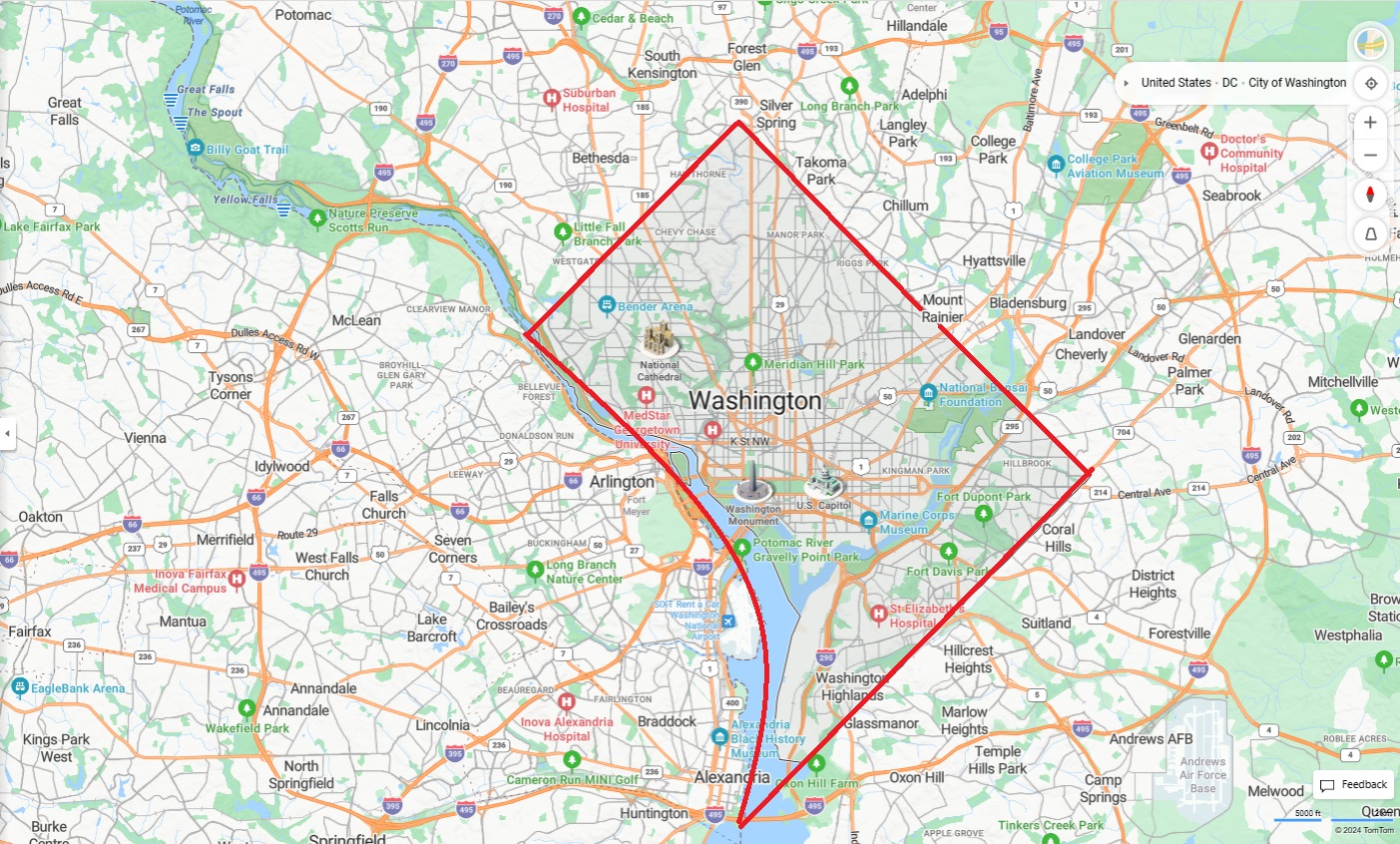
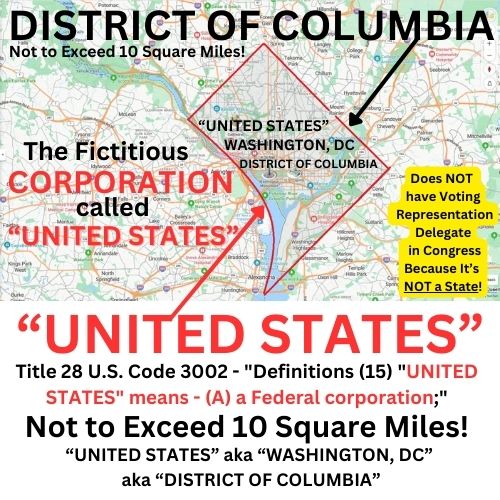
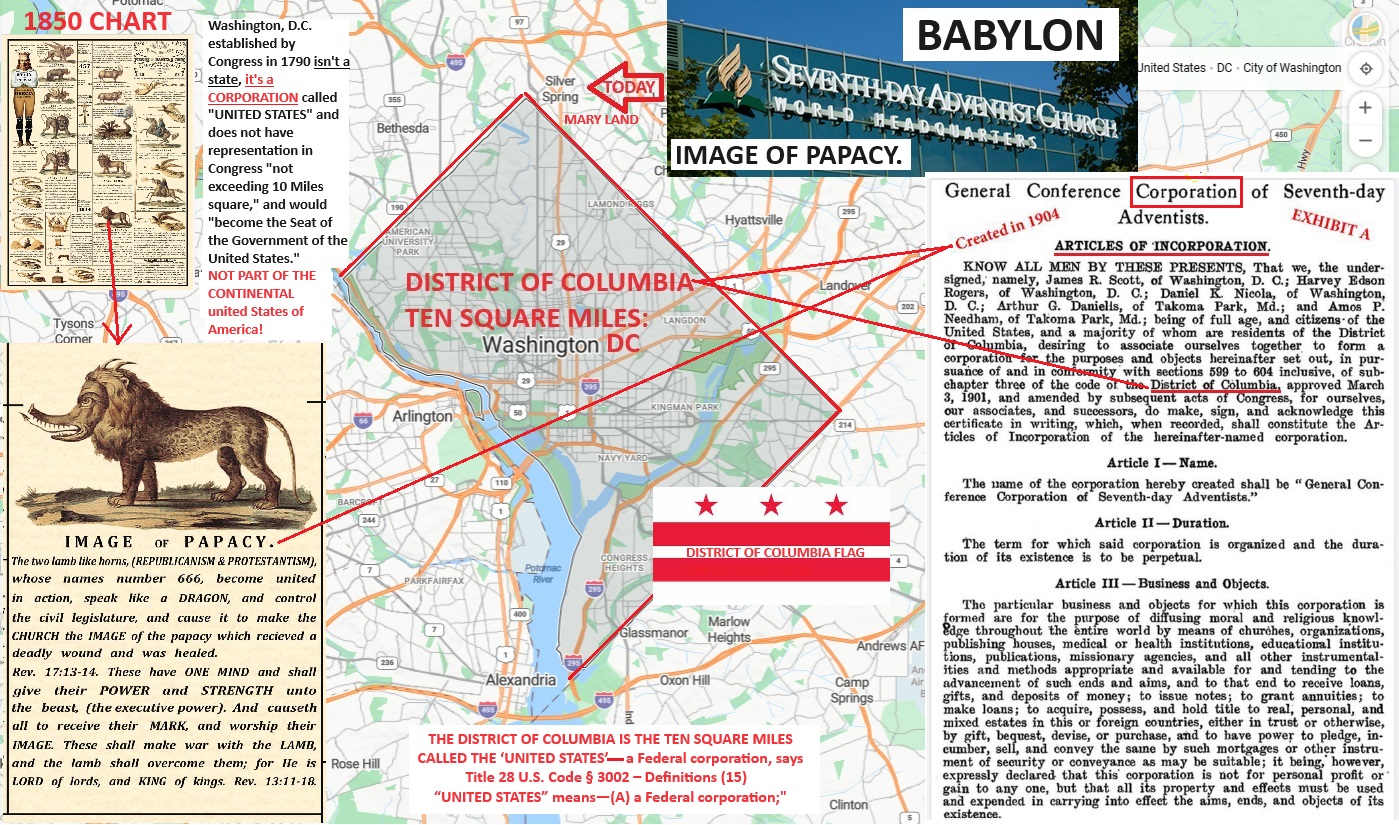
The U.S. Constitution grants Congress authority over a federal district not exceeding ten miles square. This clause is central to D.C. jurisdiction discussions.
Official Constitution Annotated page for Clause 17
Rome, Tiber, and Washington
The “New Rome” comparison: names, dates, and the documents behind them
One of the most striking pieces of local Washington history is that land beneath part of today’s Capitol Hill was once called Rome, beside an inlet called Tiber. The names invite comparison with ancient Rome; the historical record also requires the dates and legal sources to be kept distinct.
June 5, 1663Francis Pope’s Rome patent
Ghosts of DC identifies a 400-acre tract called Rome, surveyed for Maryland planter Francis Pope on the east side of the Anacostia, at an inlet called Tiber. The article points to Maryland State Archives Land Office Patents, Liber 6, folio 318.
Read the Rome and Tiber history →
1666Cestui Que Vie Act
The Cestui Que Vie Act 1666 is an Act of the English Parliament about estates dependent on lives when a person has been absent for seven years and no proof of life is available. It is a property-law statute from England, separate from the later creation of the federal district.
Read the Act in this page →Read the official Act text →Open the official Act PDF →
1787-1790Constitution and federal district
The Constitution’s Article I, Section 8, Clause 17 authorizes a federal district not exceeding ten miles square. The District of Columbia belongs to this later constitutional and federal history, not to the 1663 Rome patent.
Read Clause 17 in context →
Francis Pope and Pope Francis share a first name, and Rome and Tiber appear in the early land record. The shared names are historical curiosities; the records above let readers trace what each date and document actually concerns.
For a prophetic and interpretive reading of the Rome / Tiber history in relation to D.C., see “The Rise of Papal Rome ... in America” at 144000.com. Read it alongside the patent history, the constitutional text, and the official 1666 statute.
Local Historical Document
Cestui Que Vie Act 1666
Read the local copy in full. Its title describes an English law addressing the problem of proof when people on whose lives estates depended were absent for seven years or more.
Institutions and Interpretation
Rome, the Holy See, corporate forms, and the D.C. record
The Rome/Tiber names in Francis Pope’s 1663 Maryland patent make a compelling historical comparison point. The Holy See’s official site presents a worldwide ecclesial administration; the United States Department of State maintains a distinct Holy See country page for diplomatic engagement. D.C., by contrast, is a federal district created under the U.S. constitutional system.
Rome on the Tiber
Francis Pope’s tract gives readers an early local Rome/Tiber reference under today’s Capitol Hill landscape.
Trace the 1663 patent story →
Holy See and Vatican City
Use official sources to study the Holy See’s ecclesial institutions and the Vatican City State as distinct named entities.
Visit the Holy See →See U.S. Holy See engagement →
Corporate and church records
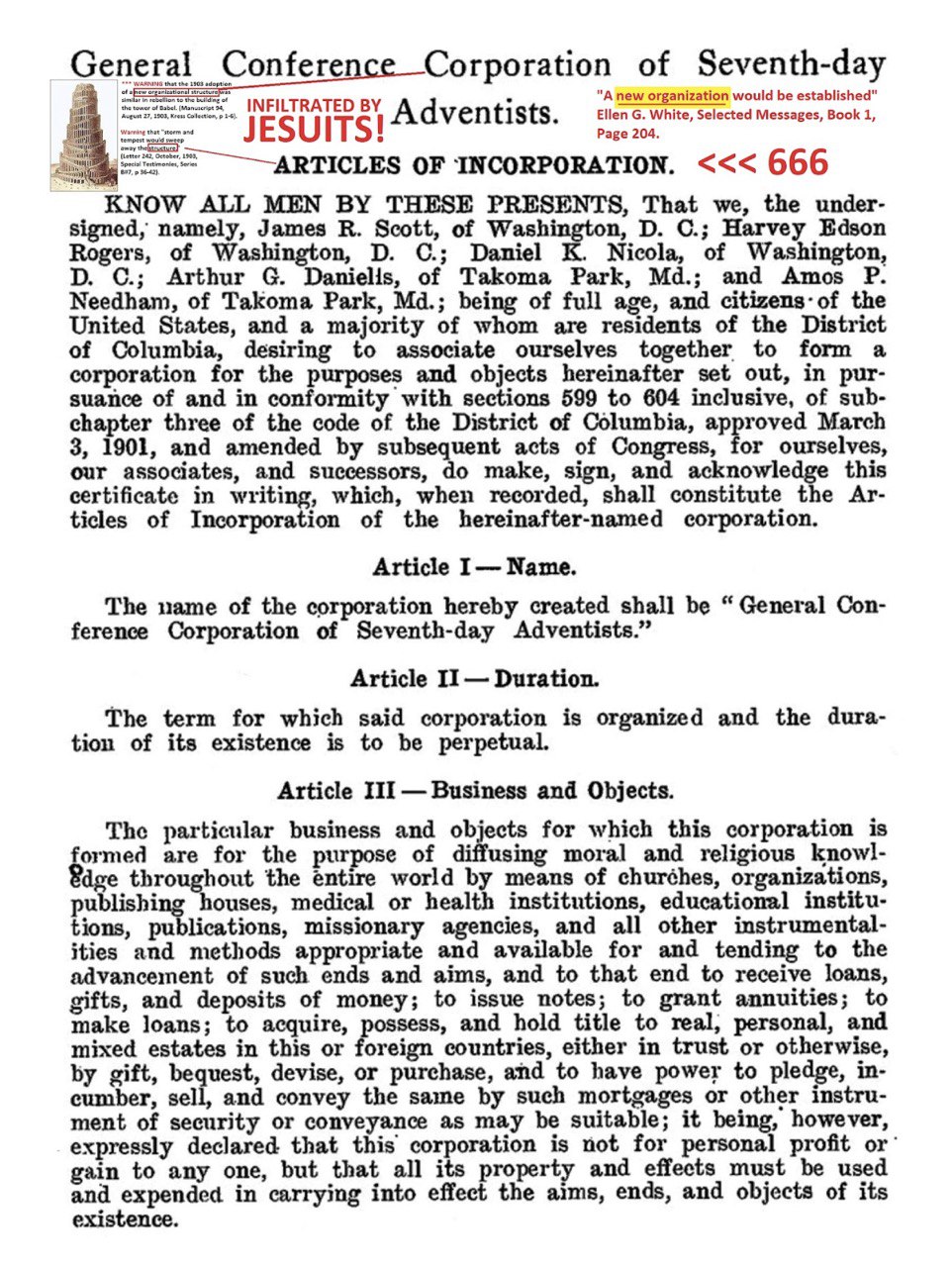
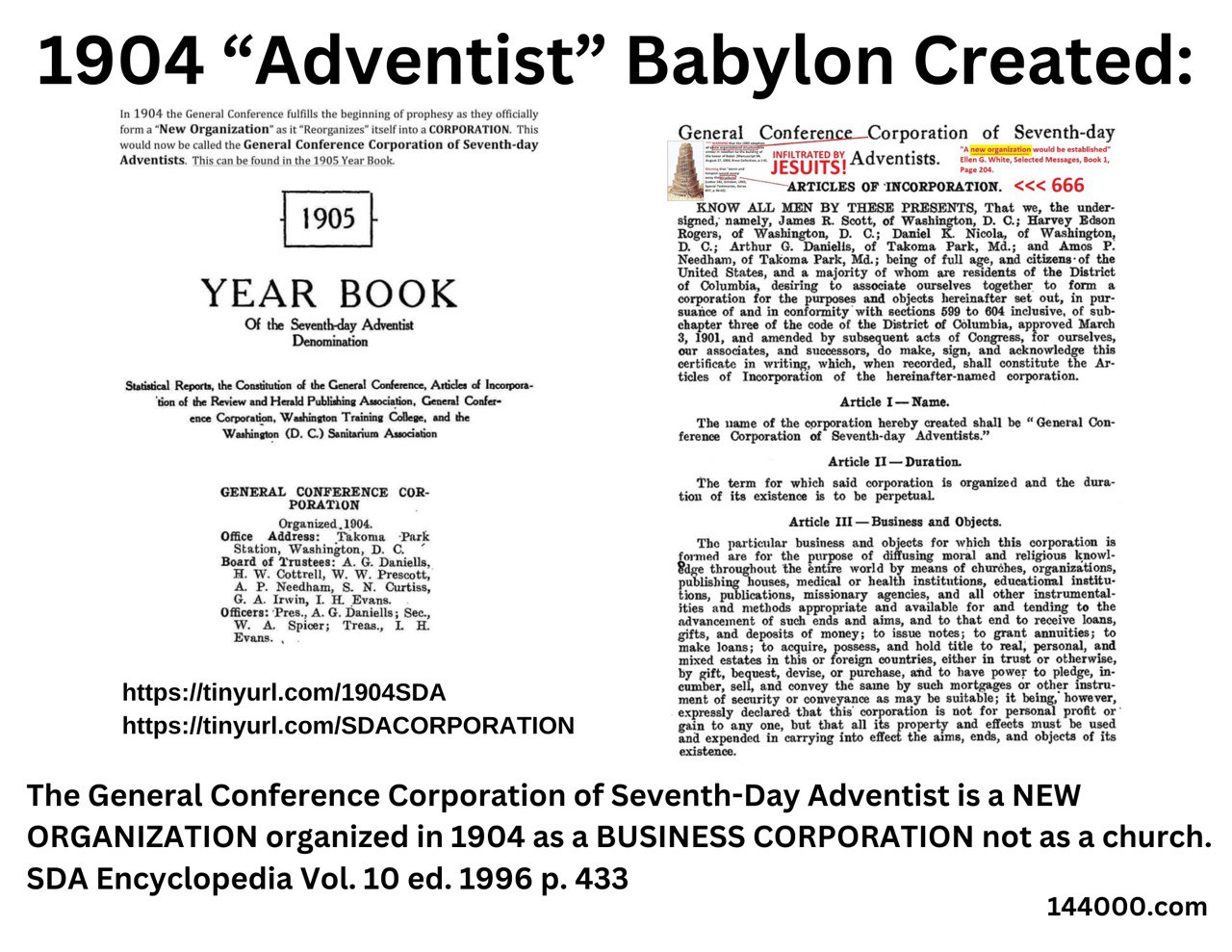
Read the April 15, 1904 incorporation record and then consider the relationship between religious bodies, civil law, and institutional forms through the original documents.
Open the 1904 incorporation record →
Adventist Historical and Prophetic Context
Ellen White (1858): "As John the Baptist heralded the first advent of Jesus, and prepared the way for his coming, so also, Wm. Miller and those who joined him, proclaimed the second advent of the Son of God."
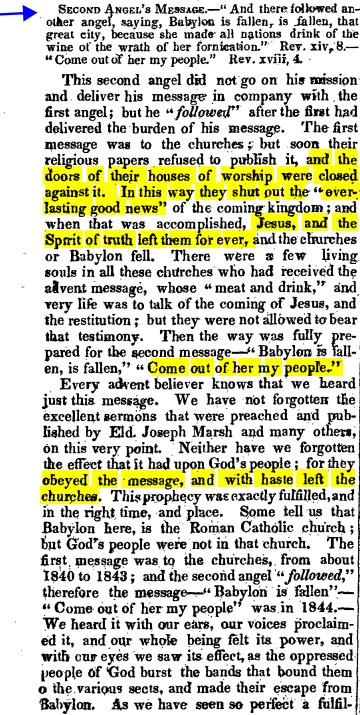
“The message of the fall of Babylon, as given by the second angel, is repeated, with the additional mention of the corruptions which have been entering the churches since 1844. The work of this angel comes in at the right time to join in the last great work of the third angel’s message as it swells to a loud cry.”Ellen G. White, Early Writings, p. 277.1
“This message seemed to be an addition to the third message, joining it as the midnight cry joined the second angel’s message in 1844 ... proclaiming the fall of Babylon and calling upon God’s people to come out of her.”Ellen G. White, Early Writings, p. 277.2
“The image to the beast represents another religious body clothed with similar powers.”Ellen G. White, The Story of Redemption, p. 381.2
Babylon: “religious bodies that were once pure and have become corrupt.”Ellen G. White, The Great Controversy, p. 382.3
Brother Miller's Dream page
Featured Pioneer Books
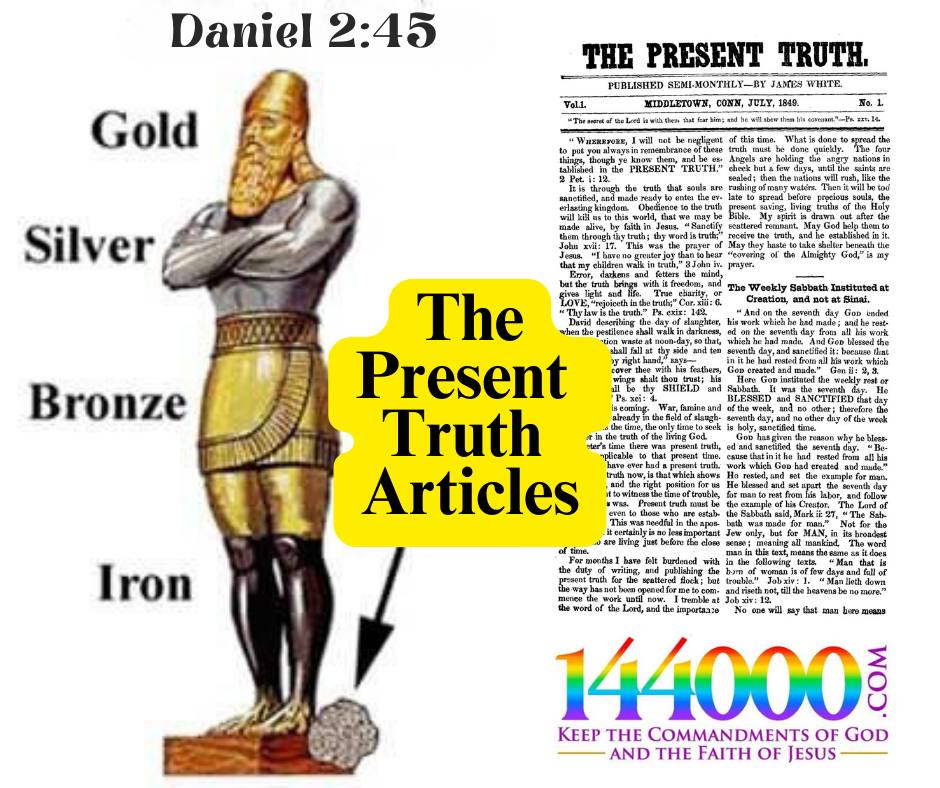
1843 and 1850 Prophecy Charts
Loud Cry Study
From 1844 to the 1904 incorporation record
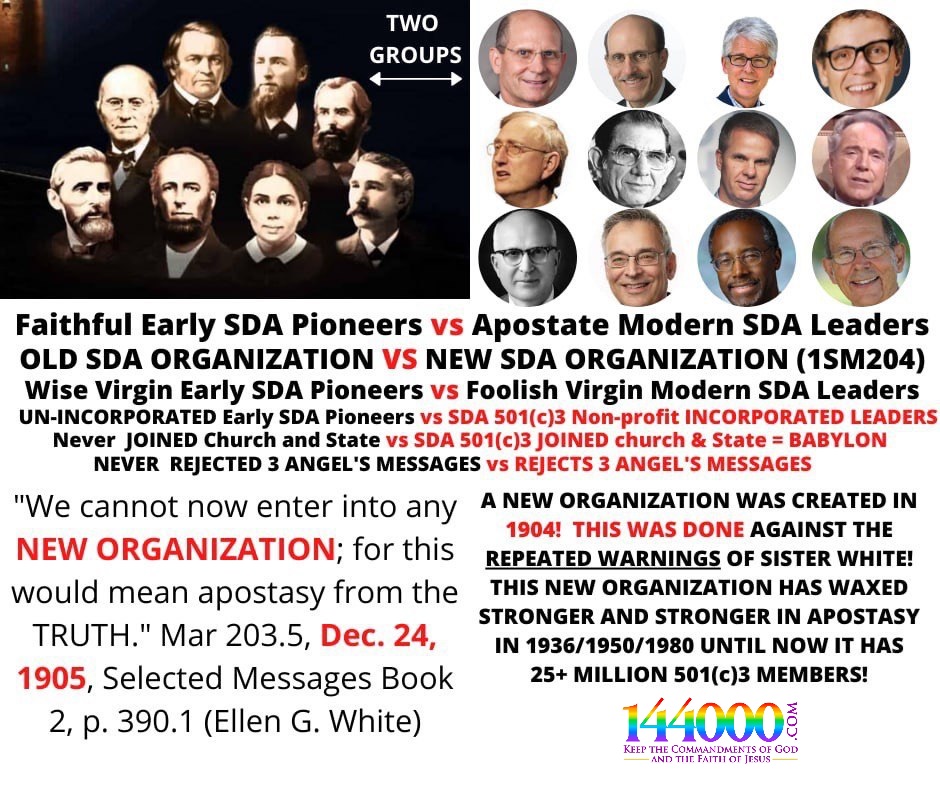
October 22, 1844 and April 15, 1904 mark very different moments in Adventist history. This page places them side by side as a study of the wedding imagery, the message of Revelation 18, and the changing relationship between religious bodies and legal institutions.
October 22, 1844The Midnight Cry and wedding imagery
In Adventist prophetic study, the 1844 movement is associated with the Midnight Cry and the parable of the ten virgins. Readers can explore the movement, its foundational sources, and the marriage imagery in the Loud Cry study.
Read the Loud Cry study →
April 15, 1904The General Conference incorporation record
The April 15 record provides a primary legal document for studying the incorporation of the General Conference Corporation in Washington, D.C. Read the names, clauses, and record before drawing conclusions about institutional change.
Open the April 15, 1904 record →
“The message of the fall of Babylon, as given by the second angel, is repeated, with the additional mention of the corruptions which have been entering the churches since 1844. The work of this angel comes in at the right time to join in the last great work of the third angel’s message as it swells to a loud cry.”Ellen G. White, Early Writings, p. 277.1
“This message seemed to be an addition to the third message, joining it as the midnight cry joined the second angel’s message in 1844 ... proclaiming the fall of Babylon and calling upon God’s people to come out of her.”Ellen G. White, Early Writings, p. 277.2
“When the messages of the three angels come prominently before the world again just before the second advent of Christ, the angel of Revelation 18:1 joins in the proclamation of the second angel in the message that ‘Babylon is fallen.’ ‘Come out of her, my people.’”Ellen G. White, Early Writings, Appendix, p. 304.1
“The image to the beast represents another religious body clothed with similar powers.”Ellen G. White, The Story of Redemption, p. 381.2
Babylon: “religious bodies that were once pure and have become corrupt.”Ellen G. White, The Great Controversy, p. 382.3
Use the 1904 incorporation record, the Loud Cry study, and the cited books together. The study question is not whether a date is evocative, but what the original documents and texts actually say about worship, conscience, institutional power, and the call to come out of Babylon.
Statehood Clarification
The District of Columbia is a federal district, not a state. For constitutional and representation background, review official congressional and federal references.
Congress.gov | GovInfo | Constitution Annotated