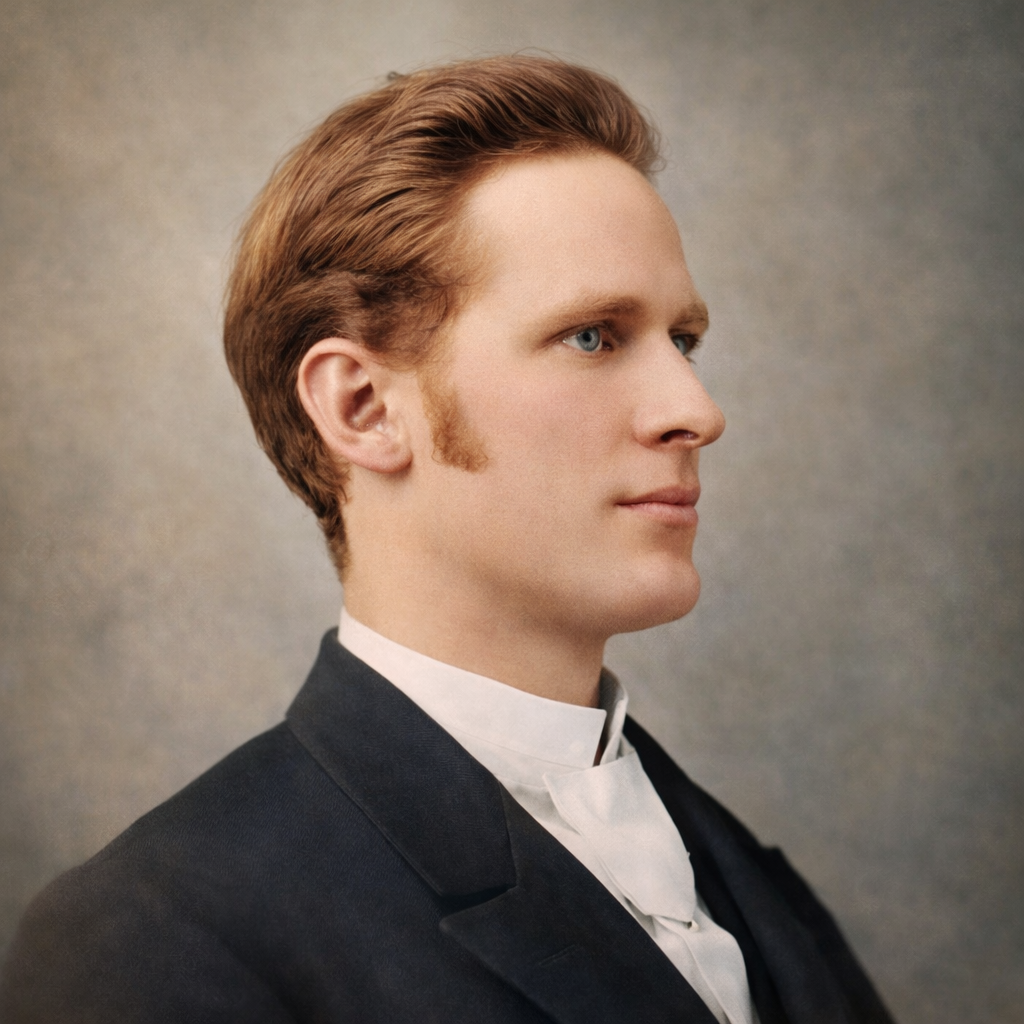
Life Sketches
Early Life & Education
Herbert Camden Lacey’s story begins in Leicester, England, where he was born in 1871. His parents, wife, and children are not yet verified in this archive, though his 1945 letter to Leroy Froom preserves the important memory of his mother’s Church of England background and her reaction to early Adventist language about the Holy Spirit. His childhood was shaped by Anglican assumptions, but a dramatic change came in 1888 when his family embraced the Adventist faith after emigrating to Tasmania. The young Lacey’s intellectual curiosity and spiritual hunger led him across the globe to the United States, where he attended Healdsburg and Battle Creek Colleges from 1889 to 1895. These formative years gave him a broad education and a vision for international ministry.
Conversion & Adventist Ministry
Lacey’s conversion to Adventism was more than a change of denomination—it was a turning point that set the course for his life’s work. Known for his theological depth and eloquence, he quickly gained recognition among church leaders. In 1896, he was invited to Cooranbong, Australia, where he delivered a presentation that would alter Adventist theology: he described the Holy Spirit as a “real, definite, divine person.” This was a radical departure from the views held by most SDA pioneers, and it marked Lacey as a rising architect of doctrinal change, fulfilling Ellen White’s warning prediction in 1SM 204 that our religion would be changed.
“The enemy of souls has sought to bring in the supposition that a great reformation was to take place among Seventh-day Adventists, and that this reformation would consist in giving up the doctrines which stand as the pillars of our faith, and engaging in a process of reorganization. Were this reformation to take place, what would result? The principles of truth that God in His wisdom has given to the remnant church, would be discarded. Our religion would be changed. The fundamental principles that have sustained the work for the last fifty years would be accounted as error. A new organization would be established. Books of a new order would be written. A system of intellectual philosophy would be introduced. The founders of this system would go into the cities, and do a wonderful work. The Sabbath, of course, would be lightly regarded, as also the God who created it. Nothing would be allowed to stand in the way of the new movement. The leaders would teach that virtue is better than godliness, and that it is the philosophy of the world that is to be relied upon.” — Ellen G. White, Selected Messages, Book 1, p. 204 (1904)
International Teaching & Leadership
Lacey’s influence expanded rapidly. He joined the faculty at Avondale School and served as Secretary of the New South Wales Conference from 1897 to 1898. His ministry took him to New Zealand, England, and the United States, where he taught and led from 1902 to 1913. He held prominent positions at Union College, Washington Missionary College, and Stanborough Park, shaping the minds of future leaders. From 1936 to 1948, Lacey continued his work as a pastor and educator in California and New York, leaving a global legacy.
Doctrinal Influence & Controversy
The most controversial chapter of Lacey’s life unfolded through his correspondence with Leroy Froom in 1945. Lacey recounted how Marian Davis, while preparing the Desire of Ages, sought his input, and how W.W. Prescott’s emphasis on the “Eternal Son” and the “I Am” statements of Christ found their way into the book. Lacey was surprised to see his teachings from 1896 appear in official denominational publications years later. Supporters credit him with helping Adventism embrace the doctrine of the Trinity, but critics argue that his influence—along with Prescott and Froom—introduced apostate Papal Rome theology and led to a departure from the original beliefs of the pioneers.
Later Years & Legacy
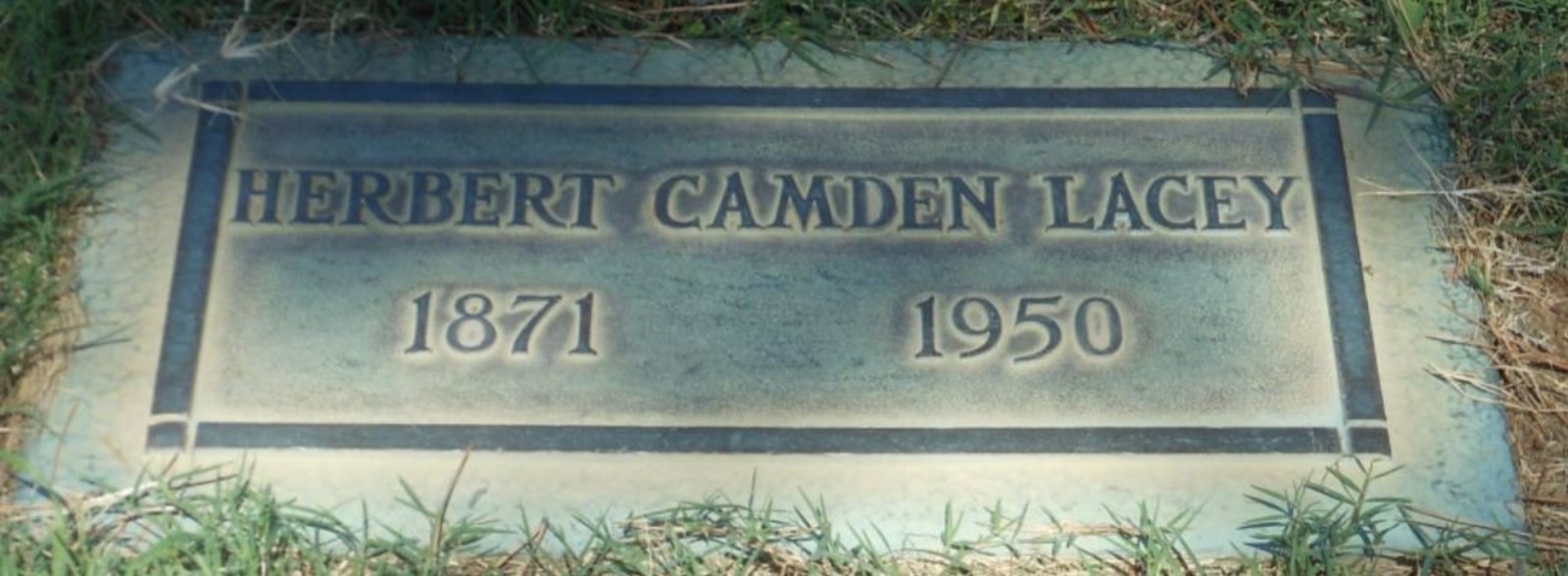
Lacey’s legacy remains deeply controversial. He is remembered as a brilliant teacher and theologian, but also as a figure whose doctrinal influence sparked debate and division within Adventism. The tensions and evolution he embodied continue to echo in the church’s theology today. Lacey served in various educational and pastoral roles until his death in Glendale, California, in 1950.
Career Timeline
| Year | Position / Action |
|---|---|
| 1871 | Born Leicester, England |
| 1888 | Family converts to Adventism in Tasmania |
| 1889–1895 | Healdsburg & Battle Creek Colleges (USA) |
| 1896 | Presents Trinitarian Holy Spirit at Cooranbong, Australia |
| 1897–1898 | Avondale School faculty, NSW Conference Secretary |
| 1902–1913 | Ministry/teaching in New Zealand, England, USA |
| 1913–1936 | Union College, Washington Missionary College, Stanborough Park, global training |
| 1936–1948 | Pastoral and teaching roles in California, New York |
| 1945 | Correspondence with Froom on doctrinal history |
| 1950 | Died, Glendale, California |
Tombstone
Lacey’s introduction of a Trinitarian Holy Spirit at Cooranbong in 1896 is precisely the kind of doctrinal reversal Ellen White warned would mark a “new organization” — see the full record of that organization’s founding at April 15, 1904 — The New Organization, the doctrinal case at Trinitarians, and the original name the pioneers chose in 1860 at Seventh-day Adventist Name History.
Sources: Letters to Leroy Froom (1945) | Encyclopedia of Seventh-day Adventists | Adventist Yearbooks | Bible Echo & Signs of the Times archives